Selected work · Case 001
Save Tunkwa Grasslands
Public land. Private ownership. Public pays. A community-response activation built where a 208 MW industrial project meets a working ranching landscape — and where the case was being decided quietly, in documents almost no one had read.
776 ha
Working grassland under assessment
−50%
Project footprint after community response
25–40 yr
Footprint on public Crown land
4,000 pg
Assessment file, distilled to one page
The brief
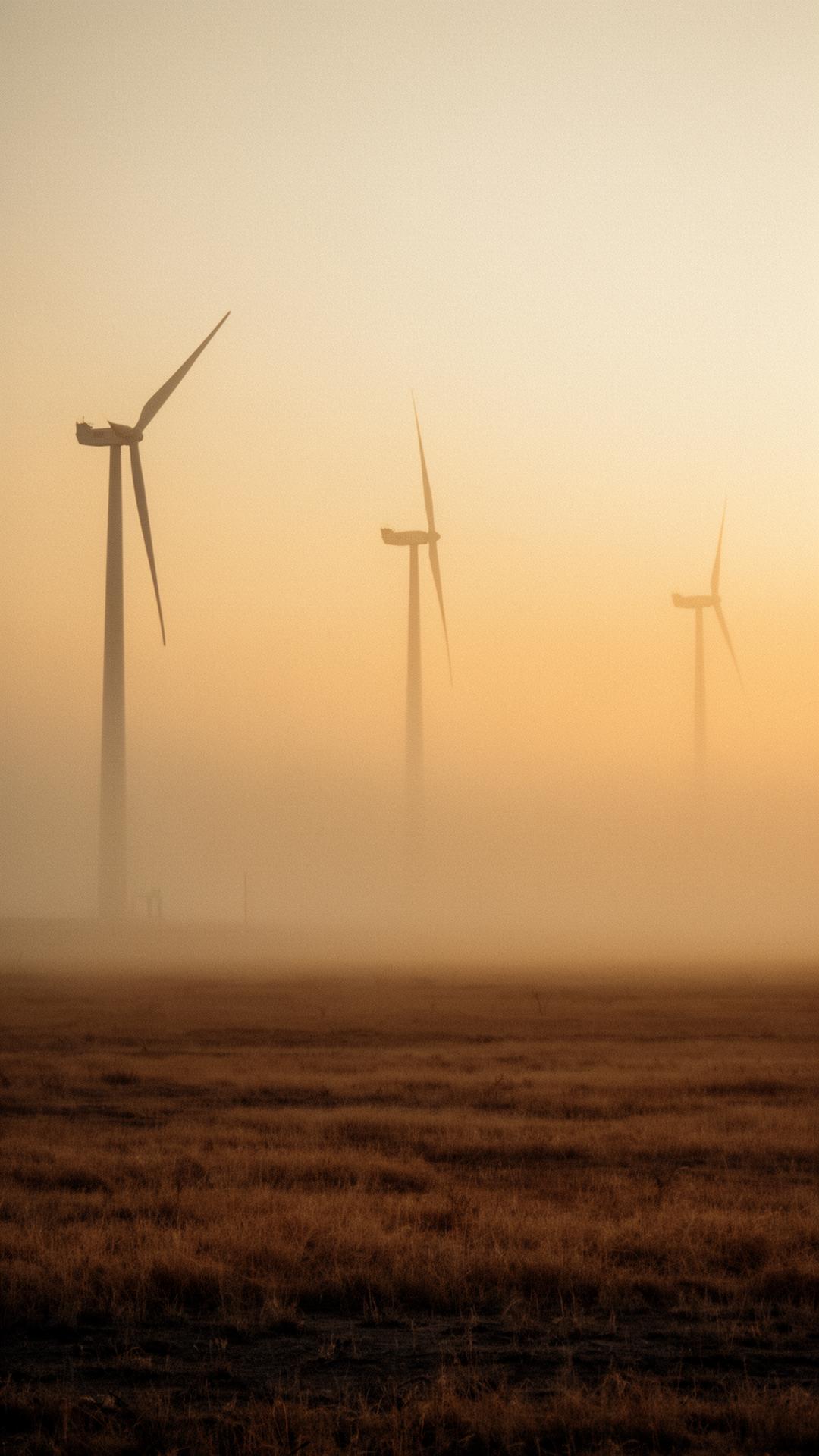
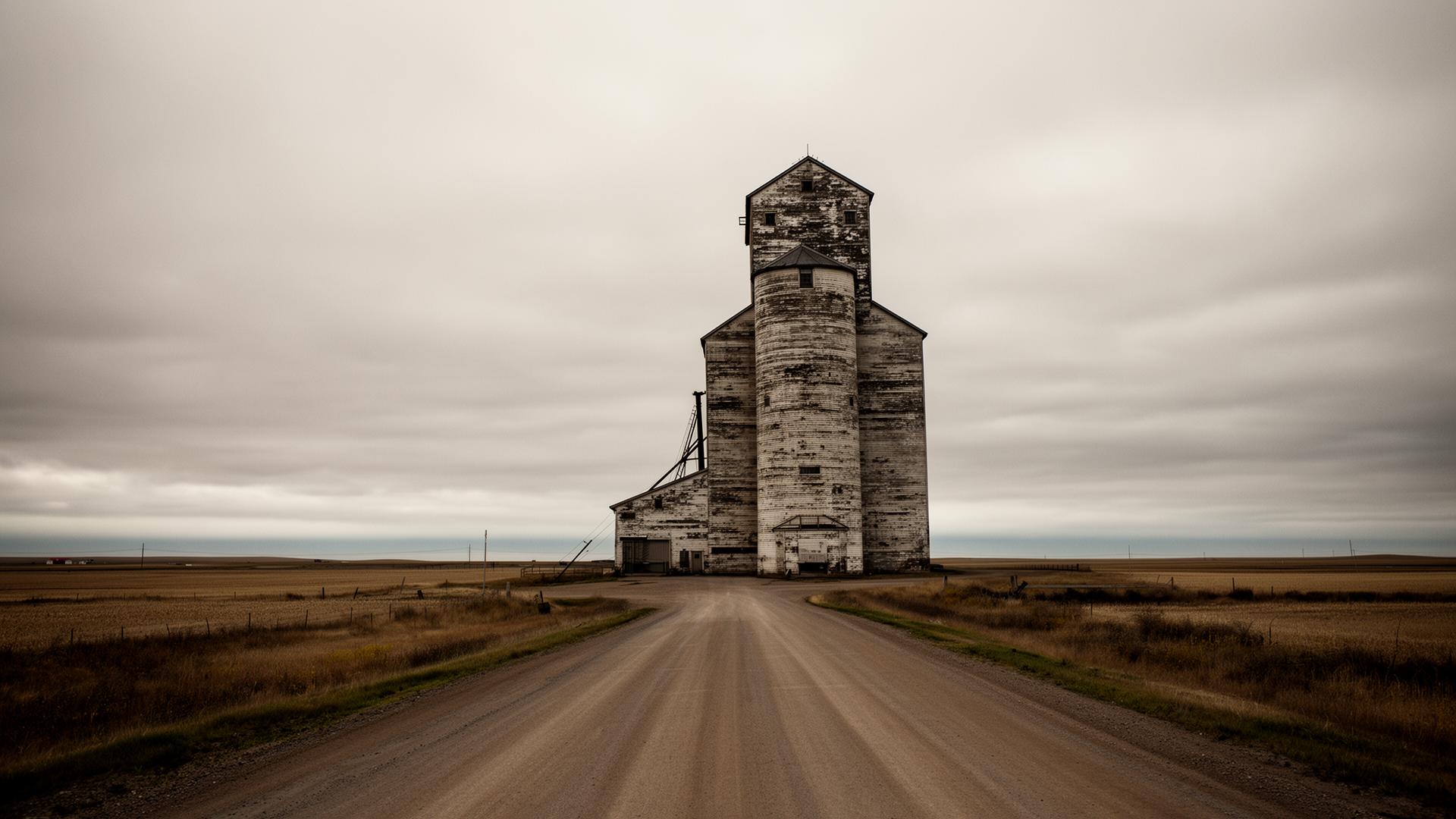
An industrial solar development was advancing through environmental assessment on roughly 776 hectares of Crown grassland — land actively used for grazing, hunting, riding, and recreation, and recovering from a recent wildfire. Presented as a clean-energy win, the proposal would fence and convert working public land for a generation.
The challenge was never to be against renewables. It was to make a slow, document-buried decision legible — and to do it before the window for public input quietly closed.
How we made it impossible to overlook.
01
The quiet audit
We read the full Initial Project Description line by line and mapped what the brochure language left out — where the panels actually land, which trails they sit on top of, and which water sources go unclassified. Facts first, framing second.
02
One page, every doorstep
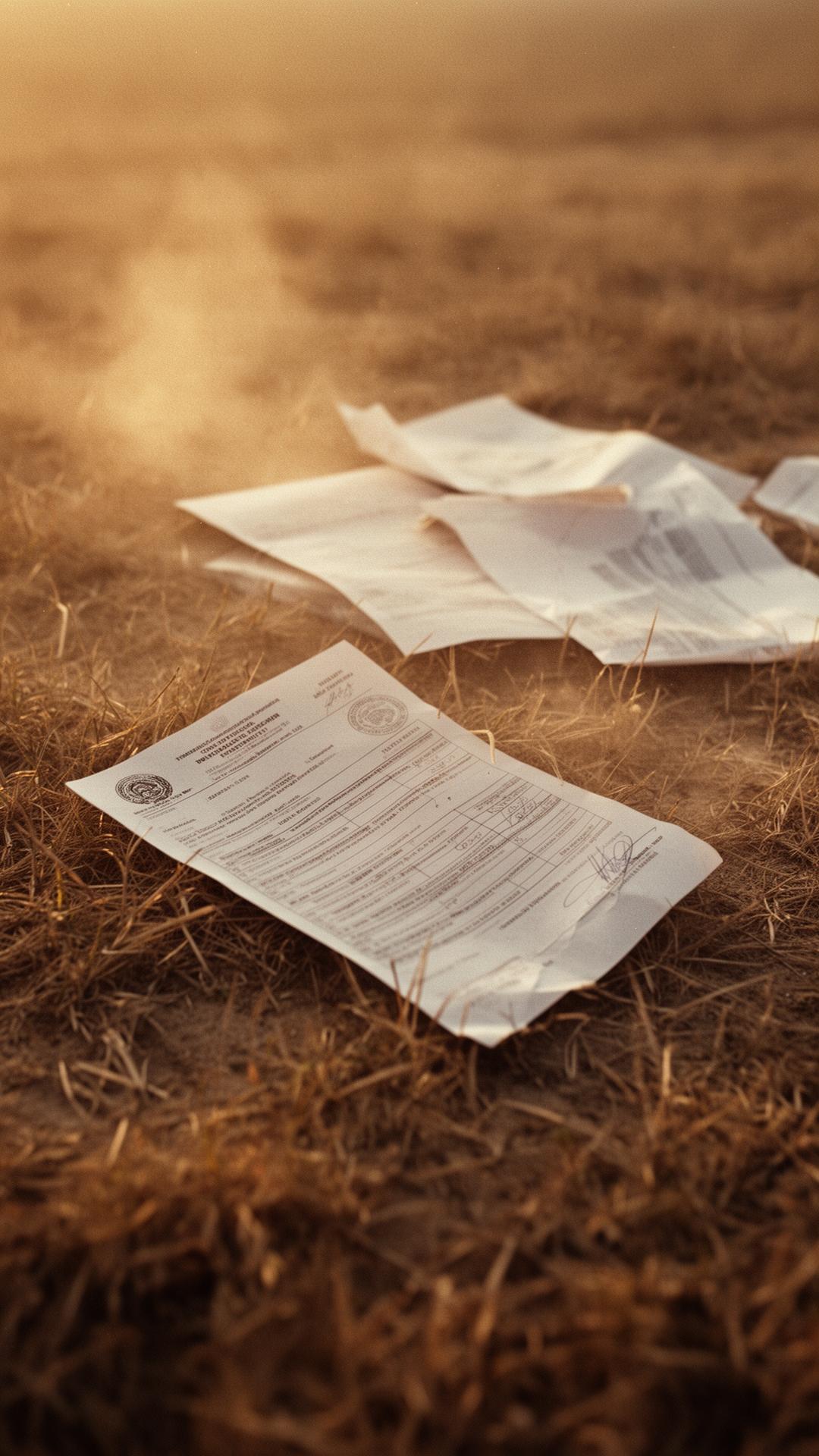
A planning file built to run to thousands of pages became a single illustrated broadsheet. Plain numbers, real sightlines, and a clear deadline — delivered door-to-door before the consultation window closed.
03
A neutral place to stand
An independent, non-partisan campaign site that names what it is not: not government, not a utility, not corporate-funded. A research assistant lets anyone interrogate the same documents the proponents rely on.
What changed
- ↳
The proponent cut the project footprint by roughly half — the single largest concession — alongside further siting and buffering commitments made directly in response to the documented community case.
- ↳
Phase II failed to secure an Electricity Purchase Agreement in BC Hydro's 2025 Call for Power — the expansion the original assessment had assumed is no longer proceeding.
- ↳
Cumulative-effects map showing multiple projects converging on one landscape — the part no single review process accounts for — now anchors the ongoing record.
- ↳
Reframed the story from "green project" to land-use, jobs, and value per hectare — pro-responsible development, not anti-development.
Selected work · Case 002
Open Market Advocacy
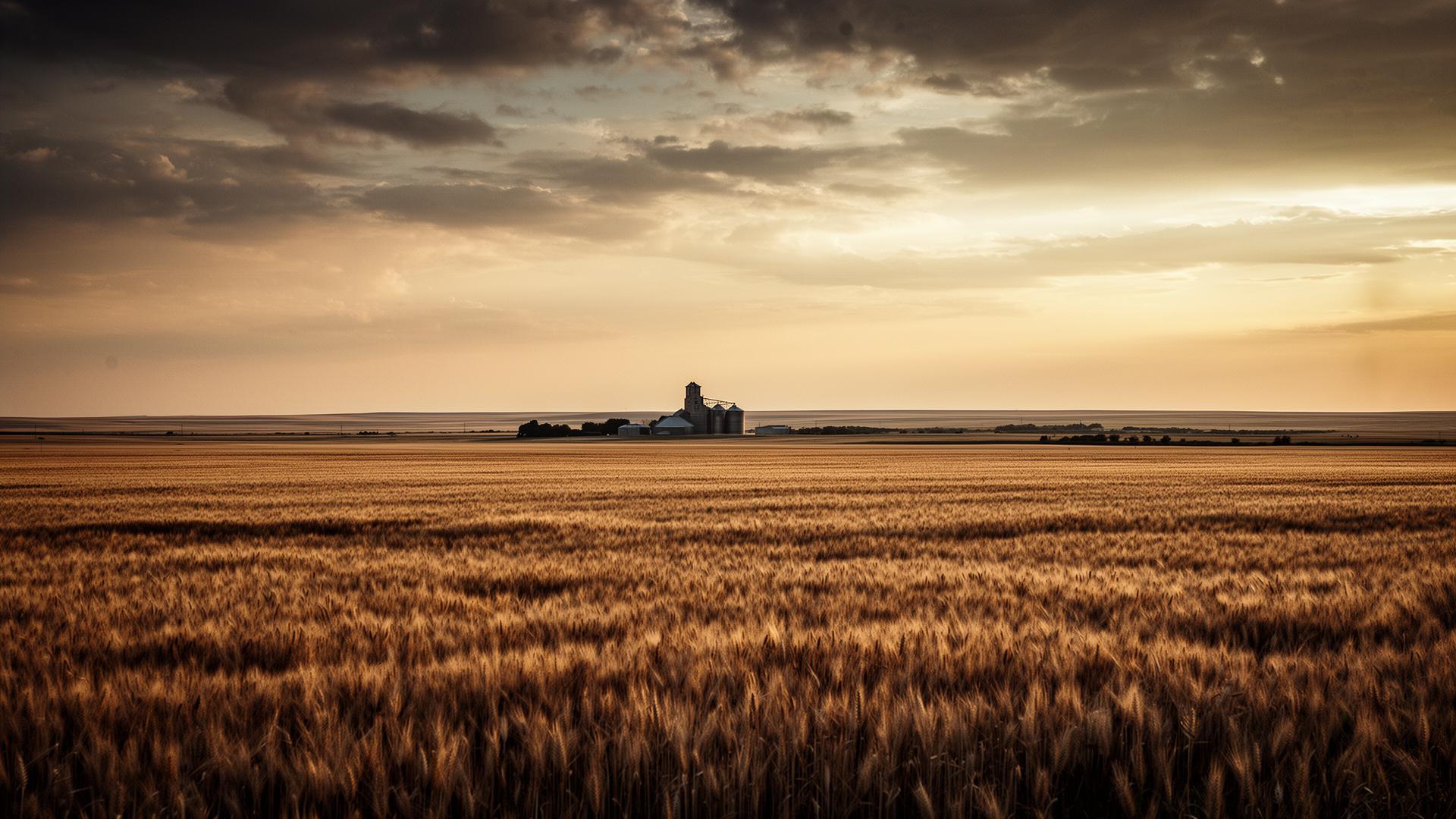
A market-fairness activation in Saskatchewan — the only major Canadian cannabis market with no structural limits on vertical integration, where a handful of integrated interests could set the terms for everyone else.
1 of 6
Major provinces without integration limits
3 tiers
Wholesale, retail, and supply under one roof
↳
A plain-language explainer that turned an obscure regulatory gap into a question any retailer, supplier, or customer could repeat.
↳
A structured FAQ and contact path aimed squarely at the regulator and MLAs — the two desks that can actually change the rules.
↳
Pro-competition framing throughout: not anti-cannabis, not anti-business — for an open, fair, and competitive market.
Your situation won't fit a case study. That's exactly why it's worth a conversation.